



- Your cart is empty Browse Shop
The Return of Space Mirrors
The Return of Space Mirrors
Innovation, ambition, and a growing concern for the future of the night sky
Headlines about “mirrors in space” have started appearing again, and this time the idea is not theoretical. A U.S. startup, Reflect Orbital, is proposing a constellation of satellites that can reflect sunlight back onto Earth after sunset.
The concept has attracted interest from commercial and government sectors. At the same time, it has triggered strong reactions from astronomers and environmental researchers. What is being proposed is not just another satellite network. It is a system designed to deliberately brighten the night sky.
A Brief History of Space Mirrors
The idea dates back to 1923, when Hermann Oberth described orbital mirrors that could illuminate cities. Later in the 20th century, scientists explored similar ideas for climate engineering and energy use. By the early 1990s, large-scale mirror constellations had already been studied at a conceptual level.
Real Attempts
- Znamya (Russia): Produced a faint moving beam across Earth before later missions failed
- Orbital Reflector (2018): An art satellite that never successfully deployed
These attempts showed that the concept is technically possible, but difficult to execute reliably in orbit.
The Modern Proposal: 4,000 Mirrors
Reflect Orbital’s plan is far more ambitious than previous efforts. The company is proposing an initial constellation of around 4,000 satellites, each carrying large reflective surfaces.
- Sun-synchronous orbit along the day-night boundary
- Operation during twilight periods
- Targeted illumination of roughly 5 km areas
- Mirrors that tilt away after passing the target
The first demonstration satellite, known as EARENDIL-1, will test this concept in orbit.
The company describes the light as controlled and localised. Independent estimates suggest something very different, with brightness potentially reaching several times that of a full moon.
💡 The proposal has already attracted significant attention, with reports of strong commercial interest and a large number of early service requests.
A System Designed to Brighten the Sky
Most satellite constellations affect astronomy as a side effect. This project is different. Its purpose is to increase illumination after dark.
That distinction is at the centre of the current debate.
Astronomers Respond
The reaction from the astronomical community has been direct.
“The central goal of this project is to light up the sky and extend daylight and obviously, from an astronomical perspective, that’s pretty catastrophic.”
The concern is not limited to visible streaks. It includes a broader increase in sky brightness that affects:
- Deep-space observation
- Asteroid detection
- Long-exposure imaging
- Survey accuracy
Light Does Not Stay Local
Even if the system targets small areas, light does not remain confined. It scatters in the atmosphere.
“They will be directing their light… because obviously they can’t shut that off.”
This means illumination can spread beyond the intended region, affecting wider areas and distant observatories.
Biological and Environmental Impact
- Disrupted human sleep cycles
- Changes in bird migration
- Disorientation in pollinators
- Altered plant behaviour
⚠️ Artificial night lighting has been linked to insomnia, mood disruption, and ecological imbalance. Scaling this globally raises unanswered questions.
Final Thoughts
The question is no longer whether it can be done. It is whether it should be.
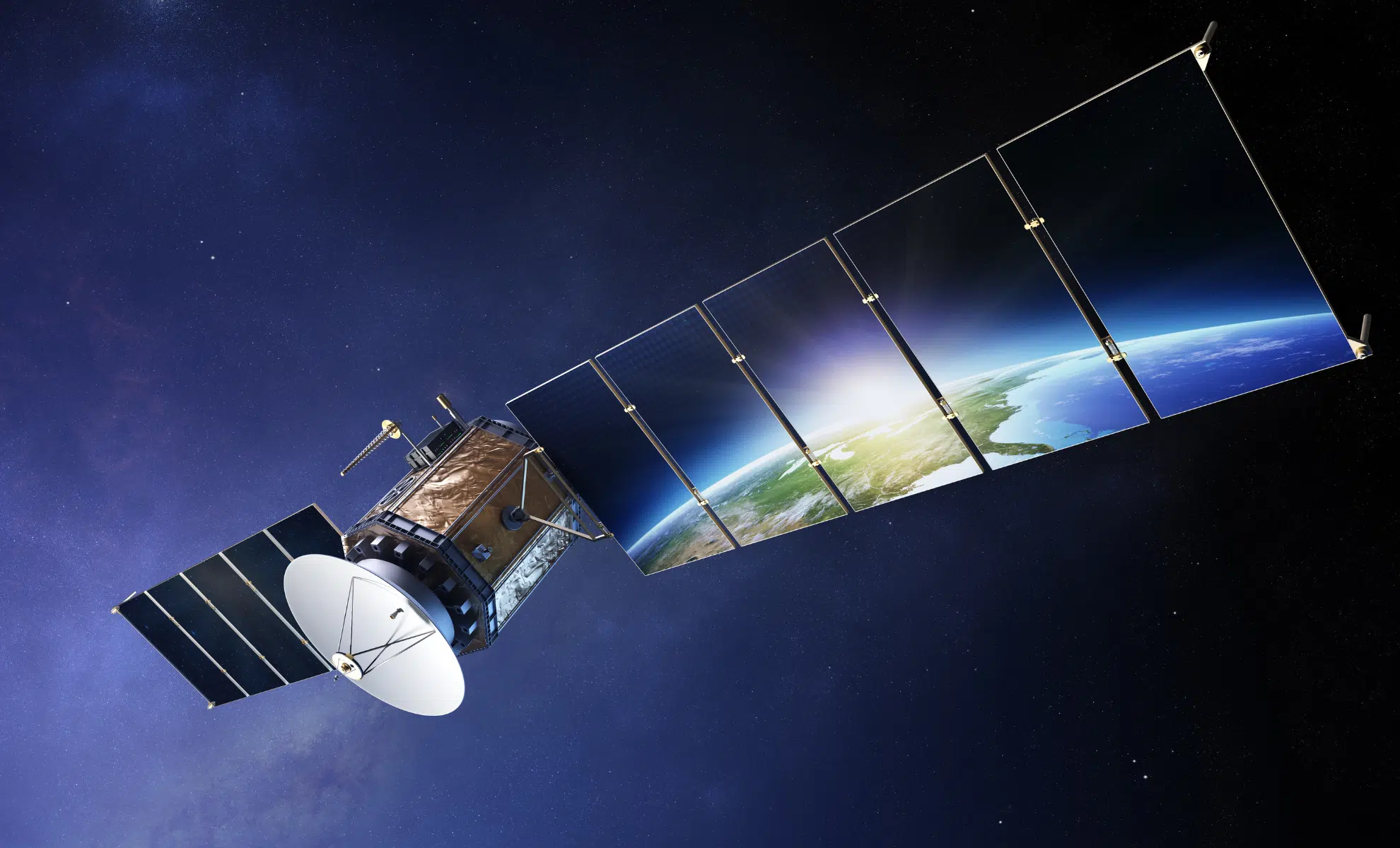
Conceptual illustration of orbital space mirrors reflecting sunlight back toward Earth